Visiting Elephant Nature Park near Chiang Mai: Our Ethical Elephant Experience in Thailand
Our visit to Elephant Nature Park near Chiang Mai was one of the most memorable days of our Thailand trip. Here’s what made it feel different, why ethical elephant tourism matters, and what to look out for before booking an elephant experience.

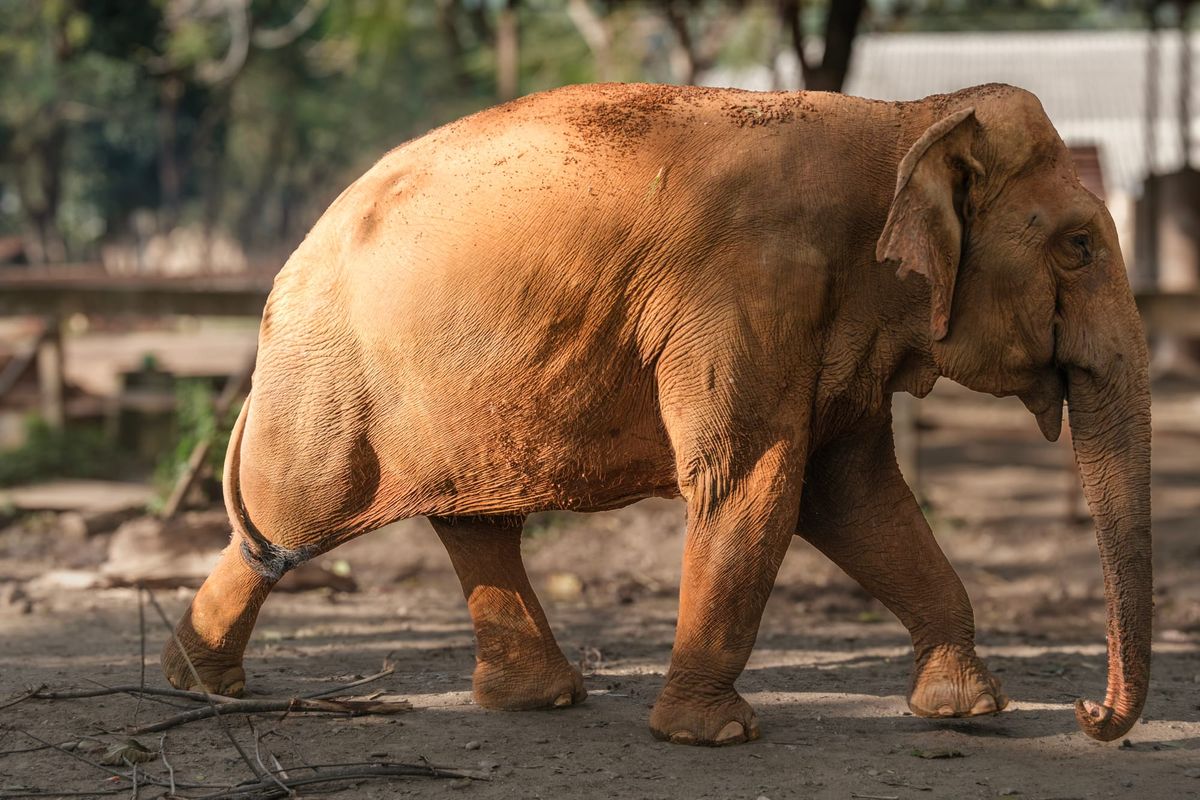
One of the most memorable days of our Thailand trip was our visit to Elephant Nature Park, just outside Chiang Mai.
Thailand is famous for its elephant experiences, but this is also an area where travellers need to be careful. Not every place that calls itself a sanctuary is necessarily putting the elephants first, and some experiences that look gentle or “natural” on the surface can still involve control, stress, or training behind the scenes.
Before booking anything, we knew we wanted to do our research properly. We did not want elephant riding, performances, tricks, painting, or anything that felt like entertainment dressed up as conservation. We wanted to visit somewhere that focused on rescue, care, and allowing elephants to live with dignity.
That is what led us to Elephant Nature Park.
You can watch our full visit here:
Why we chose Elephant Nature Park
Elephant Nature Park is located near Chiang Mai in northern Thailand and is known for its rescue and rehabilitation work.
What stood out to us was the approach. This was not about making elephants perform for tourists. There was no riding. No circus-style tricks. No forced posing. No painting. No unnatural performances.
Instead, the visit was much more about observing the elephants, learning about their stories, and understanding why places like this matter.
For us, that made a huge difference.
There is something very powerful about being close to elephants without feeling that they are being made to do something for your entertainment. It changes the whole tone of the day. Rather than being a tourist attraction built around animals, it felt much more like a place where the animals came first and visitors were there to learn.
A different kind of elephant experience
The joy of visiting Elephant Nature Park was not about ticking off a bucket-list photo. It was about seeing elephants being given space, care, food, companionship, and respect.
Some of the elephants have difficult pasts. Many have come from logging, riding, performing, or other industries where their welfare has not always been the priority. Hearing some of those stories was emotional, but it also made the visit feel meaningful.
You are not just seeing elephants. You are seeing what recovery, patience, and care can look like.
That does not mean it is a sad day. Far from it. There were plenty of uplifting moments too — watching elephants feed, wander, socialise, and simply exist without being made to entertain people.
That was the part we appreciated most.
Why ethical elephant tourism matters
Elephants are intelligent, social animals. They are not designed to give rides, perform tricks, paint pictures, or spend their days being handled for tourist photos.
The problem is that many visitors arrive in Thailand wanting an elephant experience, but not always knowing what happens behind the scenes. A place may use words like “sanctuary”, “rescue”, or “eco-tourism”, but those words alone do not guarantee good welfare.
That is why it is worth taking time to look beyond the marketing.
The more travellers support genuinely welfare-focused places, the more the tourism industry has a reason to move away from harmful practices.
What to look out for before booking
If you are planning an elephant experience in Thailand, these are some of the things we would look for.
Avoid elephant riding
This is the big one. Any place offering elephant rides would be an immediate no for us.
Even if it is described as gentle, traditional, or short, elephant riding usually means the animal has been trained and controlled in ways that are not compatible with the kind of experience we wanted to support.
Be cautious with bathing experiences
Bathing elephants sounds lovely, and it is often marketed as ethical. But it is worth asking whether the elephants are choosing to be there, or whether they are being moved in and out of water repeatedly for groups of tourists.
For us, a better experience is one where visitors observe natural behaviour rather than becoming part of a scheduled activity the elephants have to perform.
Avoid shows, tricks, and painting
Anything involving elephants performing for people is a warning sign.
Painting, football, dancing, balancing, posing on command, or circus-style routines are not natural behaviours. They may look impressive, but they raise obvious questions about how those behaviours were taught and reinforced.
Look for observation over interaction
The best experiences are not always the ones where you get the closest.
In fact, one of the things we valued at Elephant Nature Park was that the emphasis felt more balanced. It was not about constantly touching or interacting with the elephants. It was about watching them, learning about them, and respecting them.
That felt right.
Read beyond the first few reviews
Reviews can be useful, but they are not everything.
Some people may leave glowing reviews because they got amazing photos or close interaction, without necessarily understanding the welfare implications. Look for reviews that mention animal care, freedom of movement, no riding, no performances, and responsible visitor behaviour.
Check the language carefully
Words like “sanctuary” and “ethical” are easy to use in marketing.
The important question is what that actually means in practice. Are the elephants free from riding and performances? Are they able to socialise? Is the focus on rescue and long-term care? Are visitors educated about elephant welfare?
Those are the things that matter.
Our honest thoughts
Our visit to Elephant Nature Park was one of the standout experiences of our time in northern Thailand.
It was emotional at times, but also uplifting. We came away feeling that we had learned something, not just seen something.
That is probably the biggest compliment I can give it. It did not feel like an attraction built around getting tourists the perfect elephant selfie. It felt like a place trying to do things differently.
And for us, that made the day far more meaningful.
Would we recommend it?
Yes — if you are visiting Chiang Mai and want to see elephants in a more responsible way, Elephant Nature Park is absolutely worth considering.
But the wider message is this: wherever you go, do your research first.
Do not assume that every elephant experience is ethical just because the website says the right things. Look closely at what is actually offered. Avoid riding, tricks, shows, forced bathing, and anything that turns elephants into performers.
Choose places that put welfare first.
For us, Elephant Nature Park felt like a much better way to experience these incredible animals — with respect, space, and dignity.
And that made it a day we will not forget.